The alarm blares, but your eyes refuse to open. You’ve tried counting sheep, blackout curtains, and maybe even that expensive weighted blanket. When sleep feels elusive, especially after a demanding 12-hour shift or a day filled with parenting chaos, the internet often floods you with quick fixes.
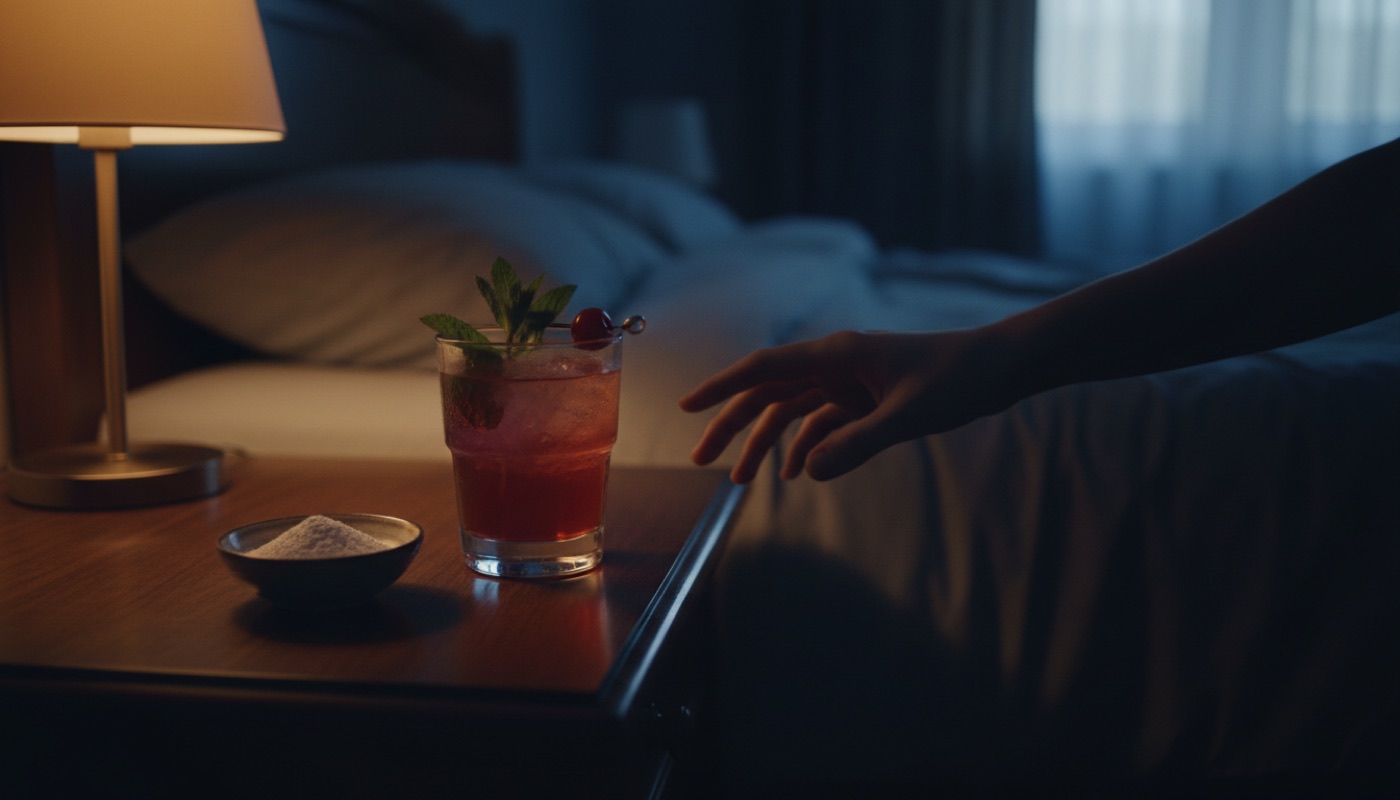
Lately, one remedy has dominated social feeds: the "Sleepy Girl Mocktail." This isn't a complex prescription; it's a simple, seemingly natural blend promising to lull you to sleep. Typically, it combines a magnesium supplement, tart cherry juice, and sometimes an adaptogen like ashwagandha.
The appeal is clear. You want something easy, something you can whip up in five minutes, something that doesn't involve another pill or a complete overhaul of an already impossible schedule. This viral trend caught on quickly for good reason.
Decoding the Ingredients: What the Science Says
The mocktail's popularity is undeniable. But does the science support the hype? Let's examine what's actually in these popular sleepy concoctions and how each ingredient might influence your slumber.
Magnesium
Magnesium is vital for over 300 biochemical reactions in your body, playing a crucial role in nerve function and muscle relaxation. Specifically, magnesium interacts with the GABAergic system, your brain's primary inhibitory neurotransmitter system. Think of GABA as your brain's "off switch," calming neural activity. Magnesium helps activate GABA receptors, promoting a sense of tranquility and easing muscle tension that often keeps you awake. Many sleep formulations use magnesium glycinate, which is often better absorbed and less likely to cause digestive upset than other forms.
Tart Cherry Juice
Tart cherry juice is a natural source of melatonin, the hormone your brain produces to regulate your sleep-wake cycle. Drinking it can modestly increase your body's melatonin levels, signaling to your brain that it's time to wind down. It also contains tryptophan, an amino acid that's a precursor to serotonin, which then converts into melatonin. This dual action helps support your internal clock, even for a night-shift nurse trying to sleep during daylight hours.
Adaptogens (e.g., Ashwagandha)
Some mocktail recipes incorporate adaptogens like ashwagandha. These herbs are believed to help your body manage stress. Ashwagandha, for instance, may help regulate cortisol, your body's primary stress hormone. Elevated cortisol levels can make falling asleep difficult, especially for those whose schedules constantly disrupt natural cortisol rhythms. By potentially lowering cortisol, ashwagandha could reduce the physiological stress response that keeps you wired at night.
The Mocktail's Potential & Pitfalls: Is it a Magic Bullet?
While this mocktail might offer subtle support for minor sleep disturbances or a mild magnesium deficiency, it's not a cure. It won't solve chronic insomnia, severe anxiety, or undiagnosed sleep disorders. If you're consistently struggling to sleep, you'll need a more comprehensive approach.
Consider the downsides. Many mocktail recipes contain significant sugar, which can disrupt blood sugar and sleep for some individuals. High doses of magnesium (exceeding 350 mg daily from supplements) can cause gastrointestinal upset. Magnesium also interacts with certain medications, including antibiotics and diuretics, so always check ingredients and consult your doctor if you take prescriptions.
Your body's unique physiological response dictates effectiveness. What calms one person might do little for another. The powerful placebo effect also plays a role: believing a remedy will help can reduce anxiety and improve your ability to fall asleep, a real phenomenon worth acknowledging.
Field Manual: Your Decision Tree for Trying Sleep Aids
Because individual responses vary, here's a structured approach for trying any new sleep aid safely.
Step 1: Identify Your Sleep Challenge
Is your poor sleep chronic, stretching weeks or months, or just an occasional rough patch? This distinction guides your next move.
Step 2: Consult Your Doctor
For persistent insomnia or if you're on medications, always talk to a healthcare professional first. They can rule out underlying issues and check for potential interactions.
Step 3: Master the Basics
Prioritize fundamental sleep hygiene before supplements. A consistent schedule, a cool bedroom (around 65°F), and a screen-free wind-down routine are powerful tools for improving sleep.
Step 4: Introduce One at a Time
When trying a new aid, introduce only one. Use it for 5-7 nights to assess its true effect. This focused approach helps you understand what truly works for your body.
Step 5: Monitor and Adjust
Track your sleep and watch for side effects like grogginess or vivid dreams. If anything feels off, stop using it immediately. Your health and well-being are paramount.
Beyond the Mocktail: Foundational Sleep Strategies
While exploring specific ingredients can be interesting, no single drink can replace the fundamental principles of good sleep. True, lasting sleep improvement comes from understanding and supporting your body's natural sleep mechanisms.
Your body thrives on routine. Keeping a consistent sleep schedule, even on your days off, strengthens your circadian rhythm – your internal 24-hour clock that tells you when to be awake and when to sleep. For shift workers, this means aiming for consistency within your rotating schedule whenever possible.
Your sleep environment is critical. Make your bedroom a dark, quiet, and cool sanctuary. Lowering your core body temperature is a natural signal for sleep initiation, a process called thermoregulation. Aim for around 65°F (18.3°C).
Develop a relaxing pre-sleep routine. This could be reading, a warm bath, or gentle stretching. This helps calm your autonomic arousal, shifting your nervous system from 'fight or flight' to 'rest and digest' mode.
Light is a powerful regulator. Get bright light exposure in the morning to wake you up, but dim the lights significantly in the evening. Bright light suppresses melatonin, the hormone that signals sleep, making it harder to wind down.
Regular physical activity is excellent for sleep, building your homeostatic sleep drive – the natural pressure to sleep that accumulates throughout your waking hours. Just avoid intense workouts too close to bedtime; give yourself at least 2-3 hours to wind down.
The Sleepy Girl Mocktail might offer a gentle nudge, but building a solid sleep foundation is your best strategy. Prioritize these fundamentals for truly restorative sleep:
Your Sleep Foundation Checklist:
- Stick to a consistent sleep schedule, even on weekends.
- Keep your bedroom dark, quiet, and cool, ideally around 65°F (18.3°C).
- Create a relaxing wind-down routine for at least 30-60 minutes before bed.
- Limit caffeine and alcohol, especially in the 6 hours leading up to sleep.
- Get natural light exposure early in your day and dim screens after sunset.
For more reliable sleep health information, consult resources from the Centers for Disease Control and Prevention (CDC), the National Institutes of Health (NIH), the American Academy of Sleep Medicine (AASM), the CDC: Sleep and Sleep Disorders, and the Cochrane Library.
This is not medical advice. Talk to your provider.
Discussion
Comments system coming soon. Powered by GitHub Discussions.