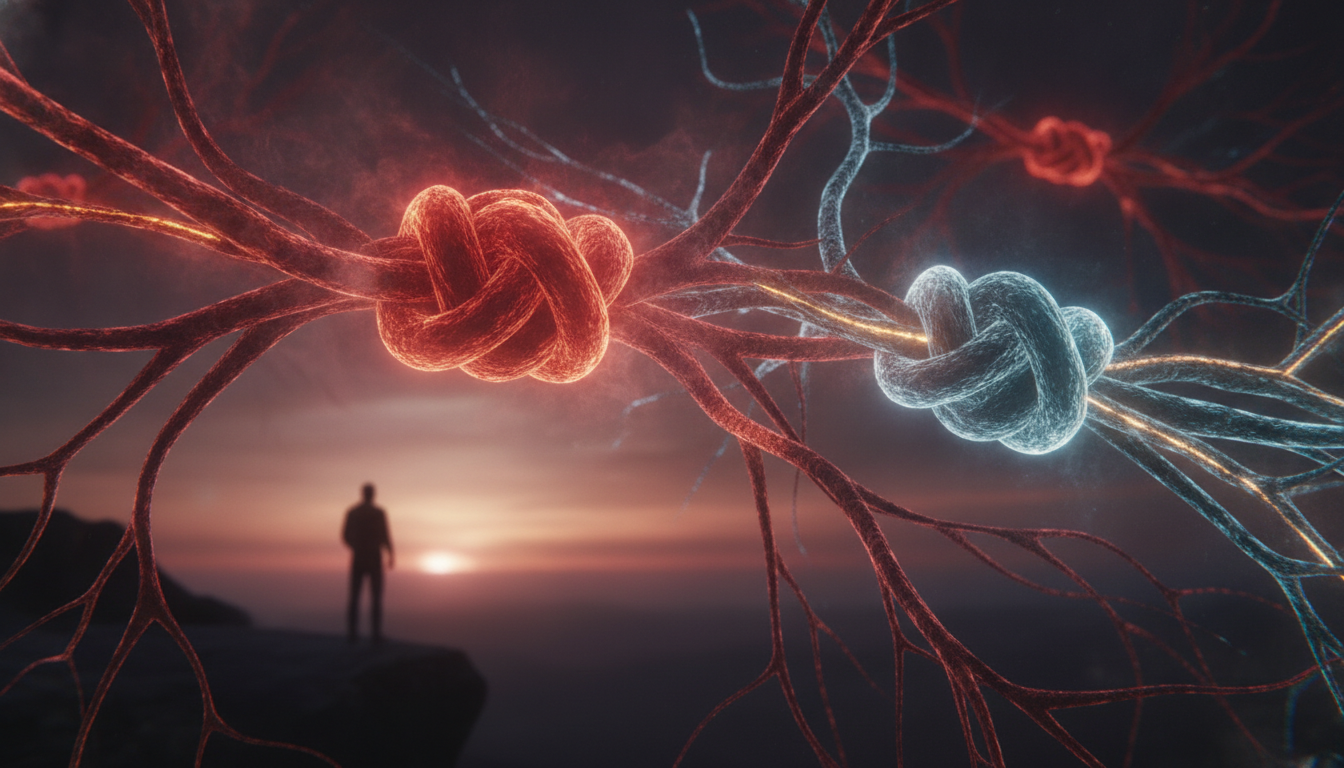
The Pain-Sleep Trap: How Your Brain Amplifies Suffering
The clock ticks past 2 AM, and the throbbing in your knee is a relentless drum, keeping you from the rest your body desperately needs. This isn't just a bad night; it's a cruel paradox, a self-perpetuating loop where chronic pain exhausts you, yet makes sleep an impossible dream. Millions are trapped in this cycle, each feeding the other, intensifying suffering and draining hope.
When pain keeps you awake, your brain doesn't just feel tired; it actively reconfigures its pain response, turning up the volume on discomfort you'd otherwise dismiss. Even a single night of inadequate sleep increases activity in your somatosensory cortex—the brain region dedicated to processing physical sensations—by a staggering 120% (The Journal of Neuroscience, 2019).
This isn't mere discomfort. It's physiological amplification, a state of central sensitization where your nervous system becomes hyper-responsive to pain signals.
Simultaneously, the crucial brain pathways designed to dampen pain—those involving the insula and prefrontal cortex—lose significant activity, often by 60-90% (The Journal of Neuroscience, 2019). Your body’s built-in pain relief mechanisms are essentially switched off. Compounding this, your endogenous opioid system, the natural internal pharmacy for pain management, becomes less responsive. This is a direct neurological assault on your pain threshold, further activating your hypothalamus-pituitary-adrenal axis and flooding your system with stress hormones that worsen pain perception and make true relaxation elusive.
You’re left exhausted, frustrated, and often feeling helpless. Breaking this relentless loop seems impossible. But understanding its mechanics is the first step. It's how you reclaim your nights, and it offers a 58% probability of less pain through targeted interventions (Sleep, 2021). Are you ready to fight back?
Reprogramming Your Brain: Beyond Basic Sleep Hygiene
Understanding the neurological assault chronic pain wages on your sleep is the first step, but traditional sleep hygiene—dark rooms, consistent bedtimes—often falls short when pain is a constant intruder. You need to go deeper, to the brain's processing of pain and sleep itself. This demands active intervention, not just passive adherence to good habits.
This is where Cognitive Behavioral Therapy for Insomnia (CBT-I) enters the field. It's not simply about cultivating better habits; it's about actively dismantling the thought patterns and behaviors that perpetuate the pain-insomnia loop, directly modulating central nervous system neurotransmitters. CBT-I shows significant improvements in sleep and pain reduction, with one review offering a 58% probability of less pain for chronic non-cancer pain patients (PubMed, Sleep, 2021). Another study found integrating CBT-I with best-evidence pain management significantly improved insomnia severity, sleep quality, and physical fatigue in those with chronic spinal pain (JAMA Network Open, 2024).
Beyond direct cognitive restructuring, mindfulness practices open another powerful avenue. These aren't passive meditations; they are active mental training designed to alter your brain's response to pain and regulate autonomic arousal. By focusing attention and cultivating non-judgmental awareness, you reduce both the intensity and unpleasantness of pain, effectively rewiring brain activity patterns associated with pain and negative emotions (UC San Diego research). These approaches demand engagement, and they offer the tools to fundamentally shift your relationship with both pain and sleep.
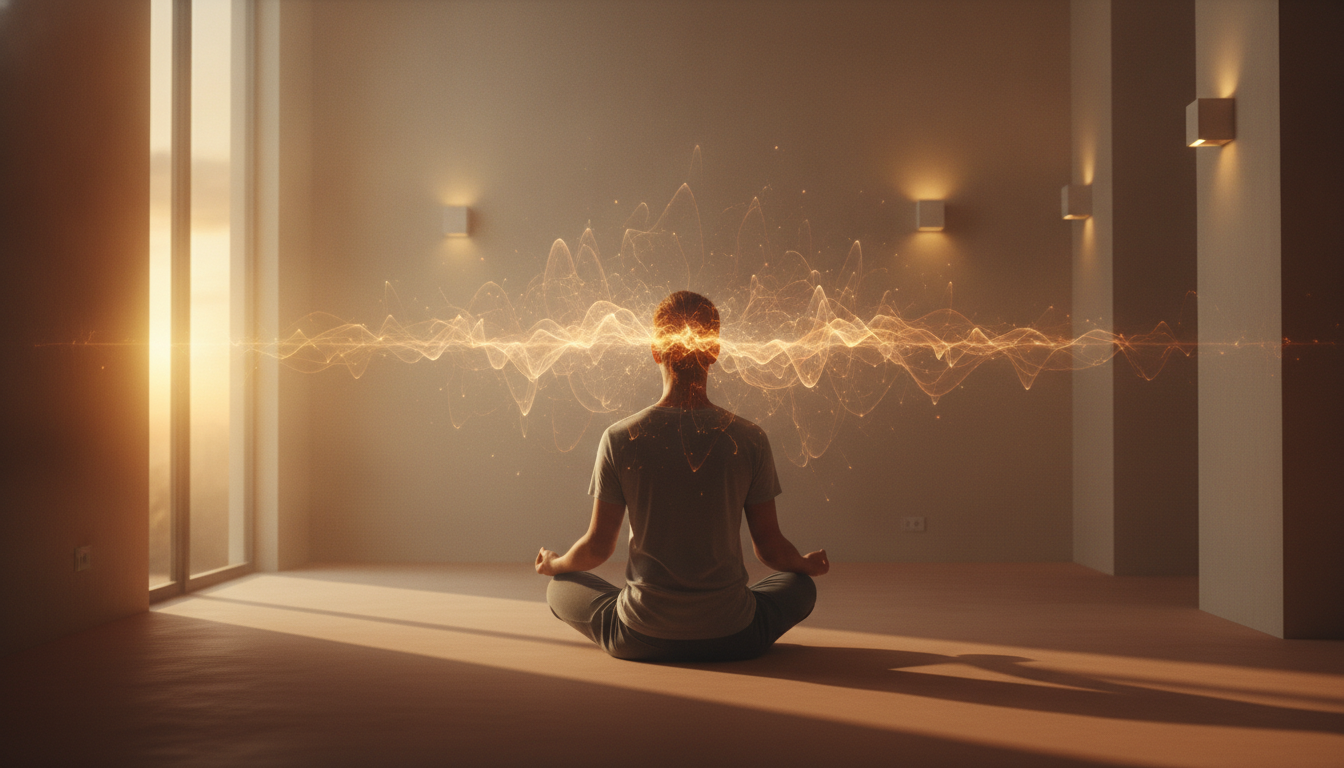
Your Field Protocol: Actionable Steps to Disrupt the Cycle
Shifting your relationship with pain and sleep isn't passive; it demands deliberate action. This protocol integrates cognitive behavioral therapy for insomnia (CBT-I) and mindful pain management, offering a direct path to reclaiming your nights.
Anchor Your Wake Time
Wake at the same time daily (+/- 15 min) for seven consecutive days, even after a restless night. This consistent signal powerfully regulates your circadian rhythm, training your body's internal clock for sleep and wakefulness.
Implement Strict Stimulus Control
Your bed is for sleep and intimacy, nothing else. If awake for over 20 minutes—tossing or frustrated—get out. Move to another room for a quiet, non-stimulating activity (e.g., reading a physical book). Return to bed only when genuinely sleepy. This breaks negative associations, reducing autonomic arousal.
Prepare Your Body with Relaxation
Before sleep, dedicate 10-15 minutes to a body scan or progressive muscle relaxation (PMR). Systematically bring non-judgmental awareness to sensations, or tense then completely relax each group. This actively downregulates your nervous system, preparing it for rest.
Practice Mindful Pain Acceptance
When chronic pain flares, pause. Instead of fighting it, observe it. Notice its qualities—sharp, dull, throbbing? Allow sensations to be without judgment. This practice, often called defusion, helps modulate central sensitization, reducing the brain’s alarm response over time.
If Pain Prevents Getting Out of Bed:
If pain intensity makes leaving bed impossible, do not fight it. Use that time for gentle breathwork or guided meditation focused on acceptance. Focus on softening around the pain. Once intensity subsides enough for movement, re-engage stimulus control by leaving bed until sleepiness returns.
Persistence and Perspective: Maintaining Momentum
The moments you spend in the dark, softening around pain, are not wasted. They are the initial steps in a long re-education. Breaking the deeply ingrained cycle of pain and insomnia demands sustained effort, patience, and a recognition that progress is rarely linear. You will have nights where pain flares, where sleep feels impossible, and where frustration builds. These are not failures, but expected detours on a long road. The aim is not necessarily zero pain, but to reduce its relentless impact on your life, to reclaim stretches of restorative sleep, and to diminish the constant vigilance that keeps your nervous system on high alert.
Consistency in these practices—the gentle breathwork, the stimulus control, the light exposure—gradually retrains your brain. This neuroplasticity builds new neural pathways, weakening the pain-sleep connection over time. As your brain learns to associate your bed with rest, not struggle, your body's cortisol regulation improves, calming the fight-or-flight response that pain often triggers. This is a deliberate, ongoing process, not a quick fix.
Your Field Protocol for Reclaiming Sleep
- Anchor Your Wake Time: Rise at the same time every day, within a 15-minute window, even after a poor night's sleep.
- Seek Morning Light: Get 15-30 minutes of natural light exposure within an hour of waking.
- Bed for Sleep Only: Use your bed exclusively for sleep and intimacy. If awake for more than 20 minutes, leave the bedroom until sleepy.
- Practice Pain Acceptance: During pain-induced awakenings, use gentle breathwork or guided meditation focused on softening around the sensation.
- Move Your Body Gently: Incorporate light, consistent movement into your day, avoiding intense exercise close to bedtime.
- Protect Your Evenings: Dim lights and avoid screens for 60 minutes before bed. Keep evening meals light.
Sources
- PubMed, Sleep (2021)
- ABCT, JAMA Network Open (2024)
- UC San Diego Research
- The Journal of Neuroscience (2019)
This is not medical advice. Talk to your provider.
The path out of the pain-insomnia cycle is not a gentle stroll, but a deliberate, consistent effort to reclaim the night.