
You drag yourself to bed, utterly spent, the lingering viral fog still clinging to your mind. Your sleep tracker registers hours of rest, even some deep sleep. Yet, the morning brings no relief. You wake feeling profoundly unrefreshed, as if your body spent the night running a marathon, not recovering. This profound disconnect, where sleep fails to translate into restoration, isn't a lapse in willpower or simple insomnia; it's a distinct physiological aftermath for many.
This frustrating experience plagues a significant percentage of post-viral patients. A meta-analysis found 45% of Long COVID patients experience persistent sleep disorders, and another study noted 55% of ME/CFS patients report 'severe unrefreshing sleep'. All the standard advice – blackout curtains, strict bedtimes, cutting caffeine – often feels useless. Why? Because the root cause lies far deeper than behavioral habits.
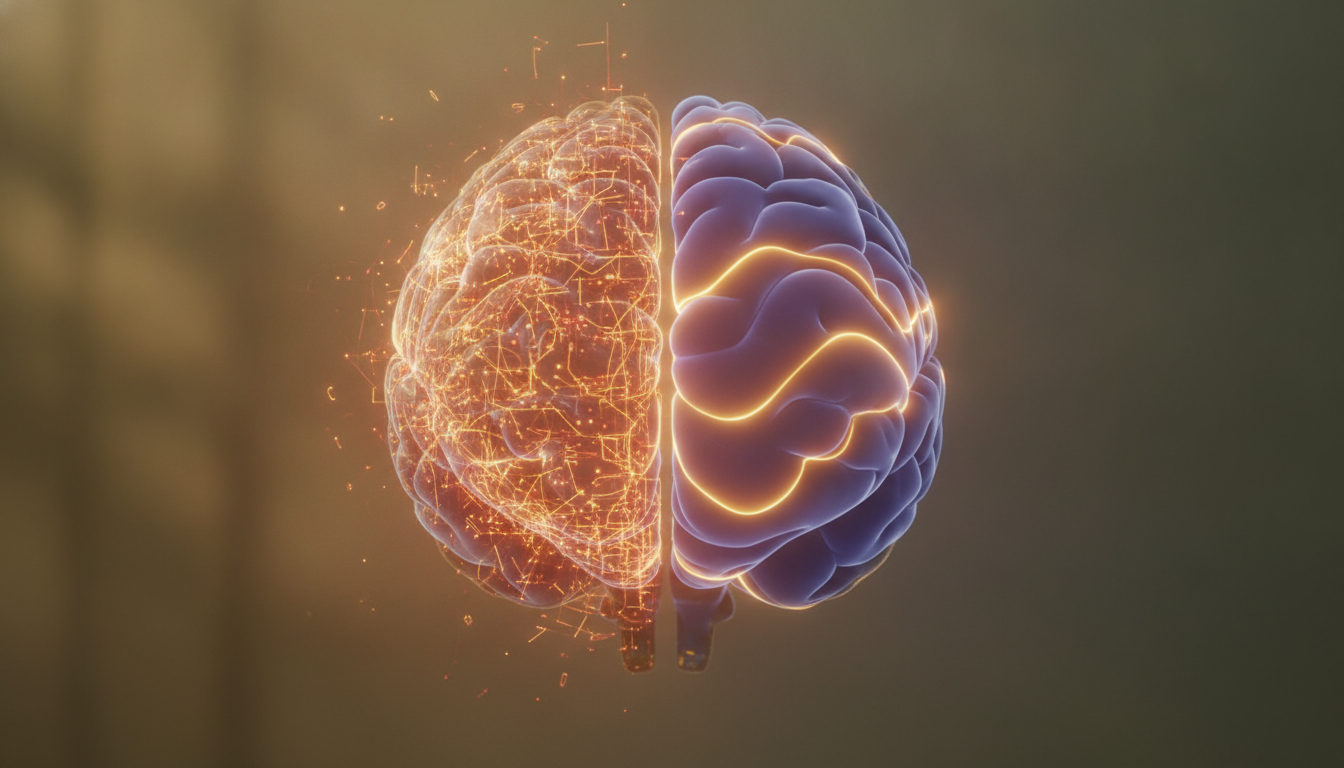
A complex interplay drives this phenomenon. Neuroinflammation leaves the brain's delicate environment agitated after the viral attack, directly disrupting the nuanced signaling of sleep-wake cycles. Compounding this, chronic dysregulation often impacts the autonomic nervous system, which governs involuntary functions like heart rate and digestion. It struggles to shift into the calm, restorative parasympathetic dominance essential for truly recuperative sleep.
Deep Sleep's Disappearance: The N3 Stage Mystery
The body’s struggle to find calm extends beyond mere heart rate; it fundamentally reshapes the architecture of sleep itself. The most profound impact frequently falls on N3 sleep, our deepest, most physically restorative stage. This is where growth hormone pulses, cellular repair intensifies, and tissues rebuild from the day's demands.
Post-viral conditions, particularly after infections like COVID-19, dramatically reduce this critical phase. One study observed an astonishing 80.6% decrease in N3 deep sleep among COVID-19 patients post-infection (Neurology, 2024), leaving the body without its essential nightly repair cycle.
This architectural shift isn't limited to deep sleep. Alterations in REM sleep, the stage associated with memory consolidation and emotional processing, are also common. Post-COVID-19 insomnia, for instance, demonstrates a significant increase in REM sleep without atonia (Oxford Academic / PubMed, 2026), where the body fails to properly paralyze itself during dreams. These precise disruptions—the vanishing of deep physical restoration and the destabilization of dreaming sleep—mean you can spend eight hours of sleep in bed and still wake up feeling profoundly unrefreshed, as if your sleep wasn't "real" sleep at all. The cause often lies in subtle thalamic structural changes or persistent mitochondrial dysfunction, preventing the brain from orchestrating its complex sleep symphony.
When Your Body Clock Goes Rogue: Realigning Your Circadian Rhythm
Beyond the brain's deep architecture, a viral illness also hijacks your master internal clock, the intricate system orchestrating your 24-hour sleep-wake rhythm. This disruption frequently involves the suppression of melatonin, the hormone that signals nighttime to your brain, making it difficult to initiate or maintain sleep when you need it most. When your circadian rhythm is thrown off course, your body struggles to distinguish between day and night, leading to irregular sleep patterns, difficulty falling or staying asleep, and an exacerbation of the profound fatigue that lingers after infection.
Recognizing this pervasive issue, the NIH RECOVER-SLEEP trial actively evaluates combined melatonin and tailored light therapy to reset circadian rhythms in Long COVID patients (UC Health / NIH RECOVER, 2025).
For those grappling with this particular aftermath, the strategy is direct: re-establish a consistent sleep-wake schedule above all else. Strategic exposure to bright light early in your desired wake window, alongside carefully timed low-dose melatonin, acts as powerful signals to re-anchor your circadian rhythm, pulling your body back into sync.
Beyond the Basics: Tailored Approaches for Post-Viral Sleep
Beyond simply re-anchoring your circadian rhythm, the protracted nature of post-viral sleep disturbances demands a more nuanced approach, one acknowledging the lingering physiological and psychological fallout. When the autonomic nervous system remains dysregulated and neuroinflammation persists, generic sleep hygiene often falls short, leaving you frustrated and exhausted.
This is where strategies designed for chronic conditions become essential. Cognitive Behavioral Therapy for Insomnia (CBT-I), for instance, adapts specifically to dismantle the anxiety spirals and maladaptive beliefs that often cement poor sleep after weeks or months of illness (AASM, 2022). Crucially, managing daily energy through strict pacing and carefully graded activity prevents the post-exertional malaise that inevitably sabotages sleep quality, ensuring your system isn't constantly pushed into overload. Alongside these, continue to fine-tune your environment: targeted bright light exposure precisely when you need to be alert, thoughtfully timed low-dose melatonin, and active cooling strategies for your core body temperature provide critical signals to a system struggling to find its rhythm.
Your Recovery Protocol: Reclaiming Rest After Viral Illness
Reclaiming your rest after a viral illness means systematically re-signaling your body's internal clocks and calming an overactive nervous system. This isn't about pushing through exhaustion, but about consistent, subtle adjustments that compound over time, gently guiding your physiology back to a state of balance.
Here's a protocol to guide your return to restorative sleep:
- Anchor Your Wake Time: Maintain a consistent wake-up time daily, even after poor sleep. This non-negotiable anchor powerfully resets your circadian clock.
- Flood Your Morning with Light: Get 20-30 minutes of natural outdoor light within an hour of waking. This early exposure suppresses melatonin and sets your internal clock.
- Embrace Gentle Movement: Incorporate short, consistent low-intensity movement like walking. Avoid intense exercise that triggers post-exertional malaise, focusing on autonomic regulation.
- Protect Your Evenings: Cut caffeine by noon. Power down screens 90 minutes before bed, shifting to calming activities like reading or quiet music.
- Thoughtfully Use Melatonin: With clinician guidance, consider a short course of low-dose melatonin (0.5-1mg) 60-90 minutes before bed to aid circadian re-alignment.
- Calm Your Nervous System: Practice mindful body scans or diaphragmatic breathing before sleep to actively downregulate your sympathetic nervous system.
Sources
Brain Inflammation Collaborative (2025)
Brain Inflammation Collaborative (2025)
Oxford Academic / PubMed (2026)
UC Health / NIH RECOVER (2025)
This is not medical advice. Talk to your provider.
The path to truly restorative sleep after a viral illness is less about trying harder and more about understanding the subtle, persistent shifts your body has undergone.